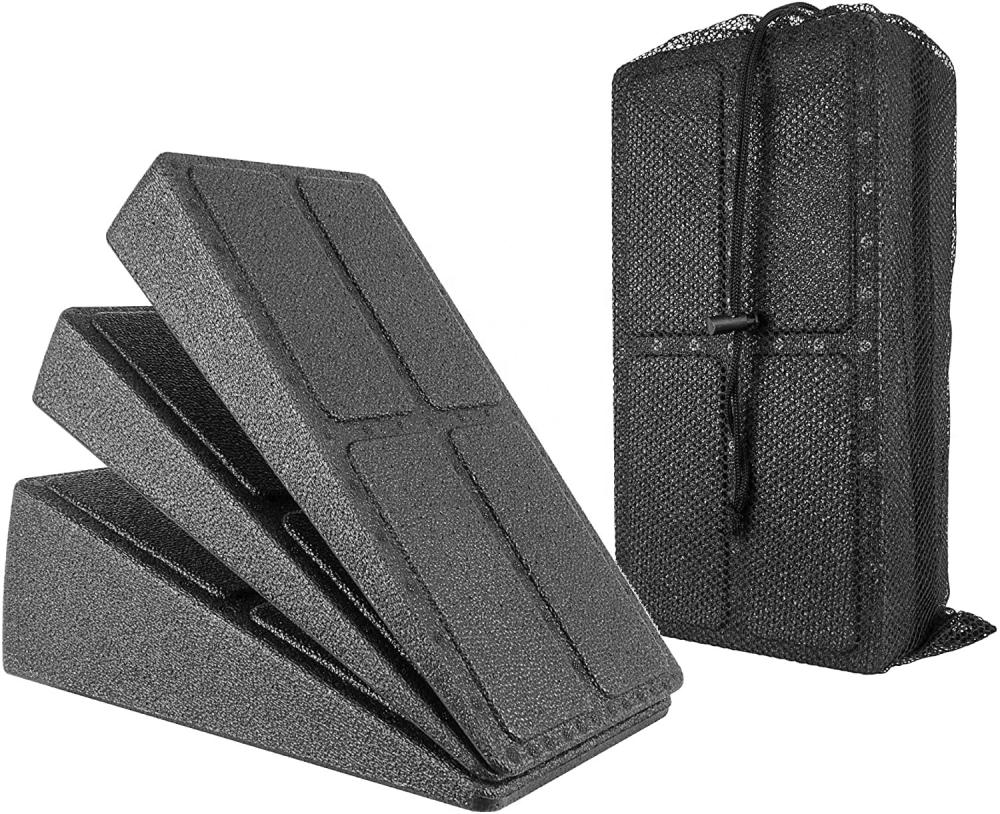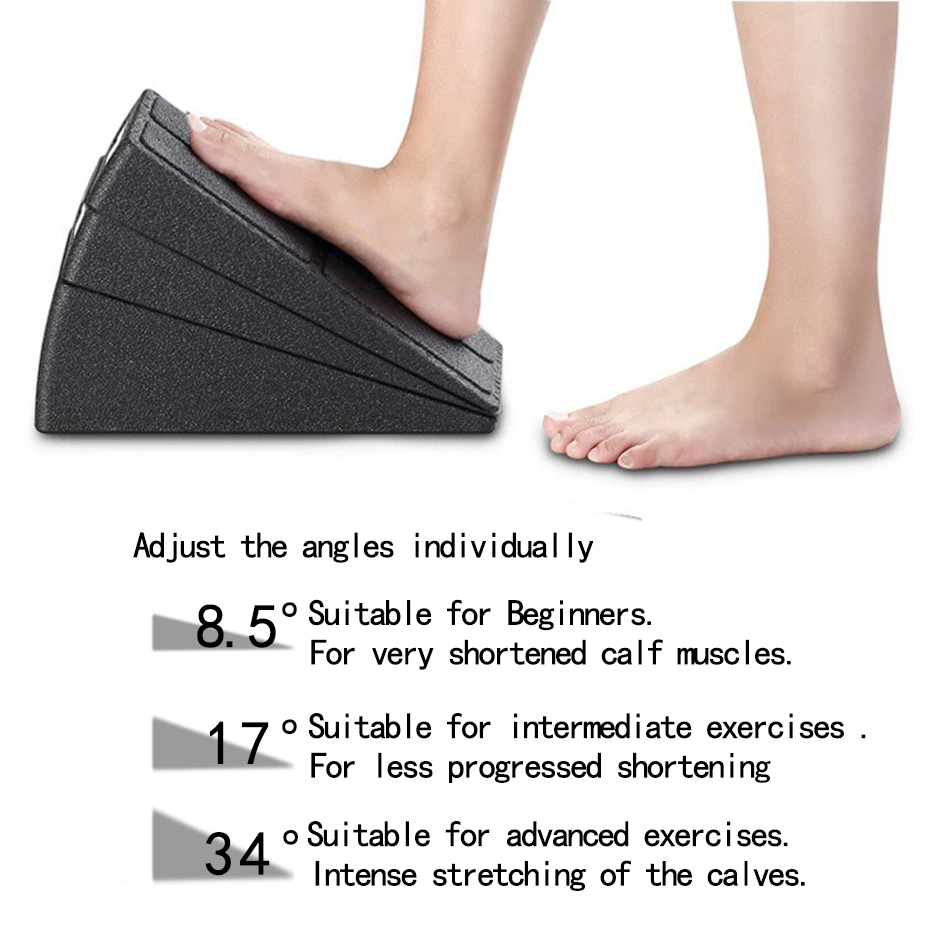
Polypropylene foamed (EPP) material, with high melt strength polypropylene (HMSPP) as the resin matrix, forms a closed cell foam structure through a unique physical foaming process. This material not only has excellent mechanical properties and good heat resistance, but also has a wide range of foaming ratios and adjustable density. At the same time, it is non-toxic and odorless, and can achieve 100% recycling and reuse. In the current national strategic plan, "Made in China 2025" lists the production technology and application of foamed polypropylene as an important development direction in the field of polymer materials, indicating its broad industrial development prospects. EPP materials have penetrated into every corner of our daily lives.
Analysis of EPP foaming production process
Polypropylene foam beads (EPP) are made from polypropylene (PP) as the main raw material and carefully processed through physical foaming technology. This production process requires specialized foaming materials to ensure the smooth completion of the foaming process. By cleverly adjusting the temperature and pressure of the foaming material, we can prepare EPP materials with different densities, while maintaining physical properties throughout the entire molding process.
(1) Preheating and closing of molds. The first step is to preheat the mold until its surface temperature reaches the melting point of PP particles. Subsequently, according to the product characteristics, design and merge molds to shape the fixed form of PP particles.
(2) Feeding and molding. After the mold reaches the predetermined temperature, EPP particles are blown into the feed port through high-speed wind. It is necessary to ensure that the air output is greater than the air intake to ensure that the raw materials can fully fill every corner of the mold.
(3) Steam treatment. This step includes three steps: steam flushing, lateral steam infiltration, and pressure maintenance. Steam flushes from top to bottom, expelling air and condensed water; Subsequently, the transverse steam penetrates the material and reaches the other side; Finally, through pressure maintenance or double-sided steaming and melting, ensure that the material is uniformly heated.
(4) Cooling and shaping. After steam is introduced, the temperature inside the mold will rise to 140 ℃. At this point, it is necessary to introduce cooling water to lower the temperature inside the film to 70 ℃, in order to facilitate product demolding.
(5) Demoulding and inspection. When the internal pressure of the mold drops to a suitable range and the temperature is suitable for demolding, the demolding operation can be carried out. After demolding, the product needs to be carefully inspected to ensure its quality is qualified.
(6) Drying and shaping. Place the product in the drying room, set the temperature between 60-80 ℃, and keep the air dry and well ventilated to further promote product shaping.
At present, the research and development, production, and sales of EPP special materials are mainly undertaken by enterprises such as Beihua Institute, Zhenhai Refining and Chemical, Shanghai Petrochemical, and Yanshan Petrochemical. These enterprises are committed to providing high-quality EPP specialized materials to meet the growing market demand.